Sleep, Stress, and Cellular Aging: The Lifestyle Factors Within Your Control
How sleep and chronic stress drive cellular ageing, what the science shows, and the practical lifestyle factors that influence the rate at which you age.
OMICS Clinical Team · Medical review: Pending medical review
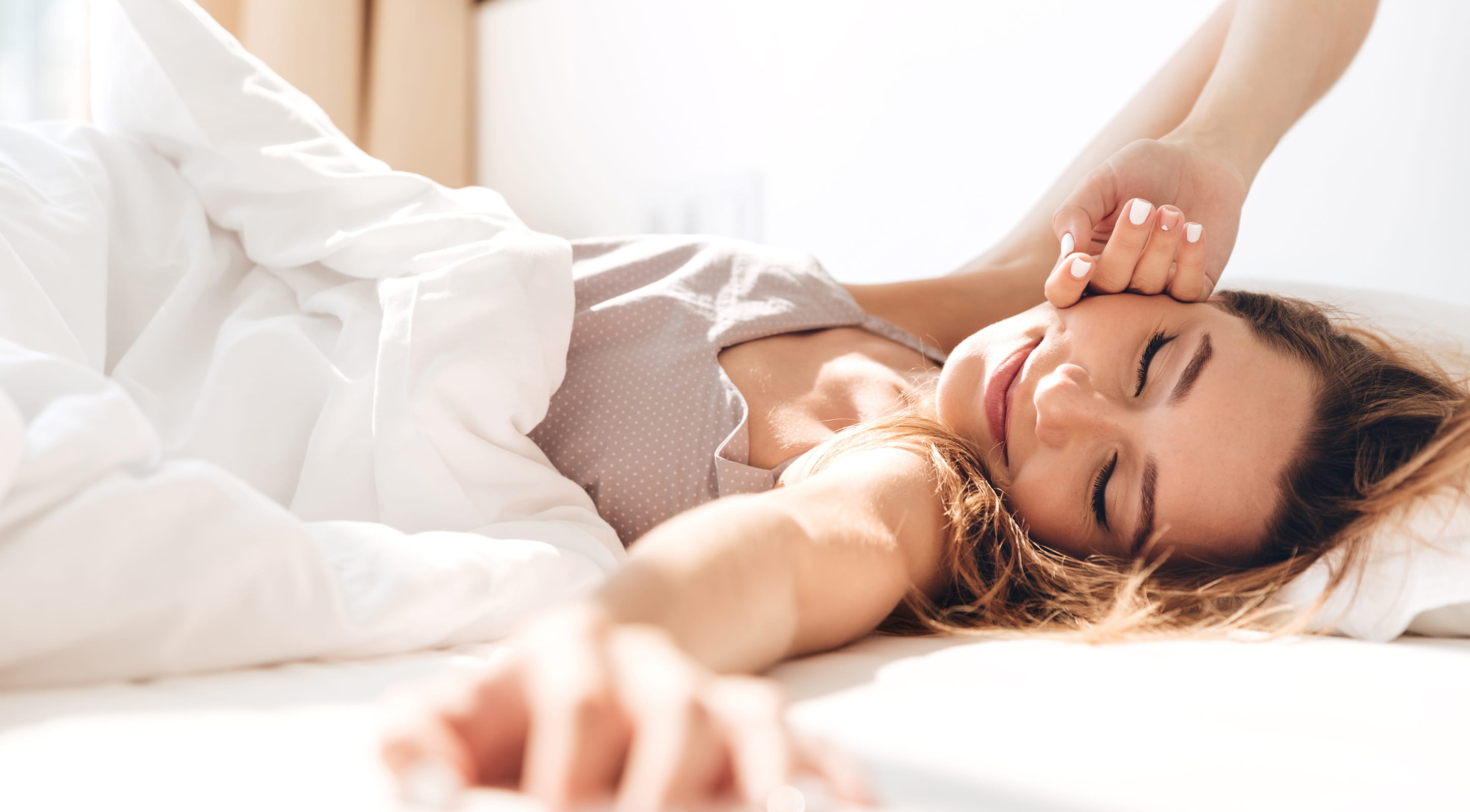
Cellular ageing happens whether you pay attention to it or not. What is more interesting, and more useful, is that the rate at which it happens is partly within your control. The science of biological ageing has matured to the point where we can describe the cellular processes involved with reasonable precision, measure the rate at which an individual is ageing, and identify the lifestyle inputs that consistently move the dial. Sleep and chronic stress are two of the most influential factors. They are also among the most modifiable. This guide explains how cellular ageing actually works, why sleep and stress matter so much, and what the practical levers look like for adults in Dubai who want to take their healthspan seriously.
What Is Cellular Ageing?
Cellular ageing is the gradual decline in the structure and function of cells over time. It is not a single process but a constellation of related changes that accumulate across decades and that, in aggregate, produce the physiological pattern we recognise as ageing. Tissues become less efficient, repair becomes slower, resilience to stress falls, and the risk of age-related disease rises.
Researchers in biogerontology have organised the underlying biology into a framework often described as the hallmarks of ageing. These hallmarks include genomic instability, telomere shortening, epigenetic alterations, loss of protein quality control, deregulated nutrient sensing, mitochondrial dysfunction, cellular senescence, stem cell exhaustion, altered intercellular communication and chronic low-grade inflammation. Each of these is a biological process that is influenced by, and contributes to, the others.
The important point for adults thinking about their own health is that cellular ageing is not fixed. It is heavily influenced by exposures, behaviours and environmental factors over time. Two people of the same chronological age can have meaningfully different biological ages. The difference reflects, among other things, what they have been doing every night and how their nervous systems have been responding to the world for the previous several decades.
A Closer Look at the Hallmarks That Lifestyle Most Influences
Several of the hallmarks of ageing are particularly responsive to lifestyle inputs. These are the ones to pay attention to.
Telomere shortening. Telomeres are protective caps at the ends of chromosomes that shorten with each cell division. Their length is influenced not only by the number of divisions but by oxidative stress and inflammation, both of which accelerate shortening. Stress, sleep deprivation, smoking and certain dietary patterns are associated with shorter telomeres in observational studies.
Epigenetic alterations. Patterns of DNA methylation, histone modification and chromatin structure change with age and are influenced by the environment. Epigenetic clocks, which measure these patterns, give us a quantifiable estimate of biological age that can move in either direction in response to behaviour and exposure.
Mitochondrial dysfunction. Mitochondria, the cellular structures that generate energy, become less efficient with age. They also generate reactive oxygen species, which contribute to oxidative damage. Quality and function of mitochondria are strongly influenced by sleep, exercise, nutrient status and chronic stress exposure.
Cellular senescence. Senescent cells are cells that have stopped dividing but have not died. They accumulate with age and secrete inflammatory and damaging signals known collectively as the senescence-associated secretory phenotype. Lifestyle factors that drive chronic inflammation contribute to senescent cell accumulation; lifestyle factors that reduce it appear to slow this process.
Chronic inflammation. Often described as inflammageing, this low-grade inflammatory state is a final common pathway through which many adverse exposures act. Sleep loss, chronic stress, poor nutrition, sedentary behaviour and visceral fat all contribute. Reducing inflammageing is one of the most actionable goals in healthspan-focused practice.
These five hallmarks, taken together, give us a working picture of where lifestyle interventions actually act. They also explain why sleep and stress are so consequential.
Why Sleep Matters at the Cellular Level
Sleep is not optional biology. The body uses sleep to perform a substantial proportion of its repair, maintenance and regulatory work, and the absence of adequate sleep produces measurable changes in nearly every system that biological ageing research considers important.
DNA Repair
DNA damage occurs continuously through normal metabolic activity and environmental exposure. Repair processes operate around the clock but reach their peak efficiency during sleep. Studies in both animal and human models have shown that sleep restriction reduces the cellular capacity for DNA repair, with measurable effects on chromosomal stability over time.
Mitochondrial Maintenance
Mitochondria are continuously turned over through autophagy and biogenesis. Sleep is one of the periods during which this turnover is most active. Inadequate or fragmented sleep is associated with impaired mitochondrial function and increased oxidative stress in tissues including the brain, heart and skeletal muscle.
Glymphatic Clearance
The glymphatic system in the brain clears metabolic waste products, including proteins implicated in neurodegenerative disease. This clearance process is markedly more active during deep sleep. Adults who consistently obtain insufficient deep sleep show patterns of impaired clearance that align with longer-term cognitive risk.
Hormonal Regulation
Growth hormone, melatonin, cortisol and reproductive hormones all follow circadian patterns that depend on sleep. Growth hormone secretion peaks during early-night deep sleep and contributes to tissue repair. Melatonin, beyond its role in sleep timing, has antioxidant and immunomodulatory effects. Cortisol regulation is supported by adequate sleep and disrupted by poor sleep, with downstream effects on inflammation and metabolism.
Inflammatory and Immune Function
Sleep deprivation reliably increases markers of systemic inflammation, including IL-6, TNF-alpha and high-sensitivity C-reactive protein. It also alters immune cell function, including natural killer cell activity. Over time, chronically poor sleep is associated with the inflammatory state that drives much of cellular ageing.
Epigenetic Effects
Sleep restriction has been shown to alter gene expression patterns, including in pathways related to inflammation and oxidative stress. Some of these changes are visible within a single week of sleep restriction in laboratory studies. The clinical implication is that sleep is not only a daily restorative process but one with measurable effects on the underlying biology of ageing.
The cumulative picture is straightforward. The cell does substantial maintenance during sleep. The longer that maintenance is shortchanged, the more the underlying machinery accumulates wear that would otherwise have been repaired.
Why Stress Matters at the Cellular Level
Chronic psychological stress is biologically active. It produces measurable changes in hormonal patterns, immune function, gene expression and cellular ageing markers. The mechanisms are well documented and the implications for healthspan are substantial.
Cortisol Dysregulation
Cortisol, the principal glucocorticoid in humans, follows a daily rhythm that supports normal physiological function. Acute stress produces cortisol spikes that are appropriate and adaptive. Chronic stress produces sustained or dysregulated cortisol patterns that are not. Persistent elevation, blunted morning rises, and disrupted diurnal slopes are each associated with adverse metabolic, immune and inflammatory outcomes.
Sympathetic Activation
Chronic stress sustains activity in the sympathetic nervous system, with downstream effects on blood pressure, vascular function and inflammation. Heart rate variability, a measure of autonomic balance, is consistently lower in adults under chronic stress and is itself associated with multiple ageing-related outcomes.
Inflammation
Chronic stress activates inflammatory pathways through several mechanisms, including effects on the hypothalamic-pituitary-adrenal axis, the sympathetic nervous system and immune cell function. The result is a pro-inflammatory state that overlaps substantially with the inflammageing pattern described in the hallmarks of ageing.
Oxidative Stress
Chronic stress is associated with elevated reactive oxygen species and reduced antioxidant capacity. The cellular consequences include damage to lipids, proteins and DNA, all of which contribute to ageing-related dysfunction.
Telomere Effects
Some of the most influential research in this area comes from the study of caregivers under chronic stress, in which persistent psychological stress is associated with shorter telomere length and reduced telomerase activity. The relationship is not deterministic, but it is reproducible across populations, and it is a tangible link between subjective stress and cellular ageing biology.
Epigenetic Effects
Chronic stress produces measurable changes in DNA methylation patterns at sites relevant to immune and metabolic regulation. These changes can be detected on epigenetic clock platforms and contribute to acceleration of biological age estimates in some studies.
Sleep Disruption
Chronic stress and poor sleep are tightly intertwined. Each amplifies the other. Adults under chronic stress are more likely to experience fragmented sleep, and adults who sleep poorly are more reactive to daytime stressors. This interaction is one of the reasons addressing both concurrently is more effective than addressing either alone.
Other Modifiable Lifestyle Factors
Sleep and stress are central, but they are not the entire picture. Several other modifiable factors influence the rate of cellular ageing.
Nutrition. Dietary patterns influence inflammation, oxidative stress, metabolic function and microbiome composition. Energy excess, refined carbohydrate-heavy diets and ultra-processed food patterns are consistently associated with adverse markers. Patterns rich in vegetables, legumes, whole foods, healthy fats and adequate protein are associated with more favourable profiles.
Physical activity. Regular aerobic and resistance training produce robust effects on mitochondrial function, vascular health, insulin sensitivity, inflammation and body composition. Cardiorespiratory fitness is one of the strongest single predictors of long-term mortality risk.
Alcohol and smoking. Both have cumulative effects on multiple ageing-related processes. Smoking is one of the most potent accelerators of cellular ageing identifiable in epidemiological data. Alcohol effects are dose-dependent.
Sun exposure. Ultraviolet exposure is the dominant driver of skin ageing and a contributor to skin cancer risk. Sensible exposure that supports vitamin D status without excess is the practical balance.
Social connection. Social isolation and loneliness produce measurable physiological effects, including on inflammation and cardiovascular outcomes. The relationship between strong social ties and longevity is well established in observational research.
Environmental exposures. Air quality, certain occupational exposures and excess heavy metal burden each have biological effects relevant to cellular ageing. These are partially modifiable, depending on personal context.
The point of listing these is not to produce an overwhelming checklist but to clarify that sleep and stress, while particularly leveraged, sit within a wider set of inputs that interact with each other. Improvements in one often make improvements in others easier.
Measuring How Lifestyle Affects Your Cellular Age
One of the more useful developments in healthspan medicine has been the maturation of tools that measure biological ageing in individuals.
Epigenetic clocks estimate biological age based on DNA methylation patterns at specific sites. Several generations of clock have been developed, including those designed to estimate the pace of ageing rather than total age. These provide a quantitative reference point that can change in response to consistent behaviour change.
Inflammatory and metabolic biomarker panels describe the current functional state of inflammation, metabolism, hormones and oxidative stress. They are responsive to lifestyle change over weeks to months and are well suited to longitudinal tracking.
Cardiorespiratory fitness testing provides functional ageing-relevant data, including VO₂ max where available.
Body composition assessment, including DEXA scanning, provides information on lean mass, fat distribution and bone density, all of which change with age and respond to intervention.
Sleep tracking, including overnight polysomnography or validated wearables can describe sleep architecture, total sleep time, fragmentation and respiratory patterns. Persistent abnormalities are addressable, often with substantial effects on the underlying biology.
Heart rate variability and autonomic function provide a window into chronic stress load and recovery capacity.
The clinical value of measurement is not curiosity. It is the ability to generate a personalised baseline, prioritise the highest-leverage interventions for the individual, and verify whether change in behaviour is producing change in biology. Without measurement, behaviour change becomes a matter of belief rather than evidence.
A Practical Sleep Strategy
Improving sleep is rarely a single intervention. It is the accumulation of several small choices that interact.
- Consistent timing. A predictable wake time is more important than a predictable bedtime. The waking schedule anchors the circadian rhythm.
- Light exposure. Bright natural light in the morning supports daytime alertness and night-time sleep pressure. Dim, warm light in the evening supports the melatonin rise.
- Sleep environment. A cool, dark, quiet room, free of work-related cues, supports deeper sleep. The bedroom should not double as an office.
- Caffeine timing. Caffeine has a half-life of several hours. Stopping intake by early afternoon protects sleep architecture in most adults.
- Alcohol. Even moderate amounts disrupt sleep architecture. Reducing or avoiding alcohol on nights where sleep matters most is a clinically meaningful adjustment.
- Screen exposure before bed. Bright, content-rich screens are stimulating both physiologically and psychologically. The benefit of reducing exposure in the hour before sleep is well attested.
- Movement. Regular physical activity improves sleep depth, particularly when timed earlier in the day.
- Sleep apnoea screening. Undiagnosed sleep-disordered breathing is a common cause of poor sleep in adults, particularly in those over forty. Where snoring, witnessed apnoeas, daytime sleepiness or unrefreshed mornings are present, sleep study assessment should be considered.
The aim is not perfection. It is consistent, restorative sleep most nights of the week, supported by an environment and a daily structure that make it the path of least resistance.
A Practical Stress Strategy
Chronic stress is rarely solved by a single technique. The most effective approaches address physiological state and cognitive load together.
- Recovery practices. Daily practices that activate the parasympathetic nervous system, including slow breathing, meditation, certain forms of yoga and time in restful environments, produce measurable effects on autonomic balance over time. Consistency matters more than intensity.
- Physical activity. Regular movement is one of the most effective stress regulators identified. Both aerobic and resistance work contribute.
- Sleep prioritisation. Stress and sleep interact closely; protecting sleep is itself a stress-management intervention.
- Cognitive load management. Reducing the volume of low-value decisions, structuring work into recovery-respecting blocks and creating boundaries around high-stress inputs all reduce cumulative load.
- Social connection. Time with people who are restorative rather than depleting has consistent physiological effects.
- Therapeutic support. Where chronic stress reaches the level of clinical anxiety, depression or burnout, professional psychological support is appropriate and effective.
- Pharmacological and clinical input. Where stress is amplified by hormonal, metabolic or sleep-disordered breathing factors, addressing those clinically often produces substantial subjective improvement.
The practical aim is to reduce baseline activation over time, not to eliminate stress in any given moment.
The Dubai Context
Dubai's pace, climate and lifestyle present a specific environment for thinking about sleep, stress and cellular ageing. Long working hours, high cognitive demand, frequent travel, social and dietary abundance and a hot climate that influences exercise patterns and outdoor activity each affect the inputs described above.
The medical infrastructure to address these factors is well developed. Validated sleep testing, comprehensive biomarker assessment, biological age testing and integrated clinical consultation are available within the city's better clinics. The opportunity is to move beyond generic advice toward an individualised understanding of where the leverage actually lies for the specific person involved. This is the practical shape of healthspan medicine when it is properly delivered: measurement, interpretation and an intervention plan that matches the individual rather than a generic script.
For Dubai's executive and longevity-focused population, the practical question is rarely whether to care about sleep and stress. It is whether to engage with these factors using vague intentions or using clinical data, structured practice and longitudinal monitoring. The latter is what allows behaviour change to become biology change.
Frequently Asked Questions
What is meant by cellular ageing?
Cellular ageing is the gradual decline in the structure and function of cells over time. It involves multiple biological processes including telomere shortening, epigenetic changes, mitochondrial dysfunction, accumulation of senescent cells and chronic low-grade inflammation. The collective effect of these changes underlies the physical, metabolic and cognitive patterns associated with ageing.
What are the signs of cellular ageing?
At a clinical level, signs include changes in skin elasticity and pigmentation, gradual decline in muscle mass and strength, reduced cardiorespiratory fitness, slower recovery, changes in metabolic markers such as fasting glucose and lipids, and gradual cognitive shifts. At a molecular level, biomarkers such as inflammatory markers, hormonal patterns and epigenetic age estimates provide more sensitive indicators that often change before clinical signs appear.
Is it possible to slow cellular ageing through lifestyle?
Yes, within meaningful limits. Sleep, stress regulation, physical activity, dietary pattern, alcohol and smoking each have measurable effects on the cellular processes that drive ageing. These effects are not unlimited; ageing remains a fundamental biological process. However, the difference between an adult engaging consistently with these factors and one who is not is substantial in both biomarker and clinical terms over time.
Can cellular ageing be reversed?
The phrase "reversed" should be approached carefully. Some markers of biological ageing, including certain epigenetic age estimates, can move in a more favourable direction in response to consistent lifestyle change. Whether this constitutes reversal in a deeper biological sense is the subject of active research. The honest position is that the rate of cellular ageing can be modified, often meaningfully, but the broader question of large-scale rejuvenation in healthy adults is still being investigated.
How much do sleep and stress actually matter compared with diet and exercise?
They matter substantially. In some adults they are the dominant lever. The reason they are sometimes underweighted is that they are harder to measure casually than diet or exercise and are often more emotionally complex to address. Their cumulative biological effect is at least as significant as any other modifiable factor.
How can I tell if my lifestyle is affecting my cellular ageing?
Several measurement tools are useful, including epigenetic age testing, comprehensive biomarker panels, cardiorespiratory fitness assessment, body composition analysis, heart rate variability tracking and validated sleep studies. Used together, these provide a personal picture of where the rate of ageing is being most influenced and which interventions are likely to produce the largest effect.
Where should I start if I want to take this seriously?
A baseline assessment is the most useful starting point. Once a personal profile is established, prioritisation becomes straightforward. For most adults, sleep, stress and physical activity are early targets, with dietary and other refinements layered on as the foundations stabilise. The aim is not a complicated programme but a sustainable one, supported by measurement that tells you whether it is working.
What Is Within Your Control
The biology of cellular ageing is intricate, but the practical message is simple. Sleep and chronic stress are two of the most influential modifiable factors driving the rate at which the body ages, and both are addressable. The other inputs, including movement, nutrition, social connection and environmental exposure, sit alongside them and reinforce or undermine the effort depending on how they are managed.
For adults in Dubai who want to engage with this seriously, the available infrastructure makes it possible to move from general principles to personal data. Measurement allows behaviour change to be tracked at the level of biology rather than belief, and the resulting clarity makes consistency easier. The factors within your control are not minor. Used well over years, they are the difference between ageing as something that happens to you and ageing as something you actively shape.